1.Mawa kachori
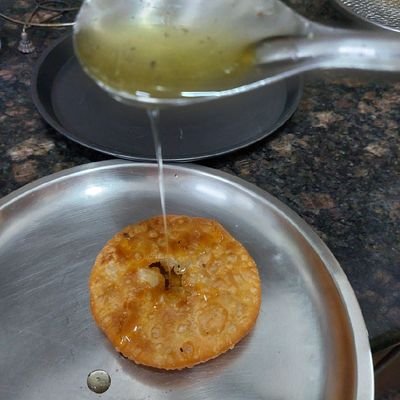
Jodhpur’s mawa kachori is a rich, sweet delicacy filled with mawa and dry fruits, deep-fried and soaked in sugar syrup—originating around 70 years ago by local halwai Jayaramji.
Here’s a detailed look at this iconic Rajasthani treat:
🍬 What Is Mawa Kachori?
Mawa kachori is a sweet version of the traditional kachori, which is usually savory.
It’s made by stuffing a crisp, deep-fried pastry shell (made from refined flour or maida) with a rich filling of mawa (khoya), dry fruits, and cardamom, then soaking it in sugar syrup for a glossy, indulgent finish.
Unlike spicy onion or lentil kachoris, this one is served as a dessert or festive sweet.
🏙️ Origin in Jodhpur
The sweet mawa kachori was first introduced in Jodhpur about 70 years ago.
Its creator was Jayaram Halwai, a local sweet maker whose innovation turned this into a regional specialty.
Today, it’s a signature item in Jodhpur’s sweet shops and is even exported abroad due to its popularity.
🧁 Taste & Texture
Outer shell: Crisp and flaky, golden-brown from deep frying.
Filling: Rich, creamy mawa blended with chopped nuts like almonds and pistachios, sometimes flavored with saffron or rose essence.
Syrup coating: Adds a glossy sheen and sweetness, making it a luxurious treat.
🎉 Cultural Significance
Often enjoyed during festivals, weddings, and special occasions.
It’s a proud part of Marwari cuisine, showcasing the region’s love for rich, dairy-based sweets.
2. mishrilals kesar peda
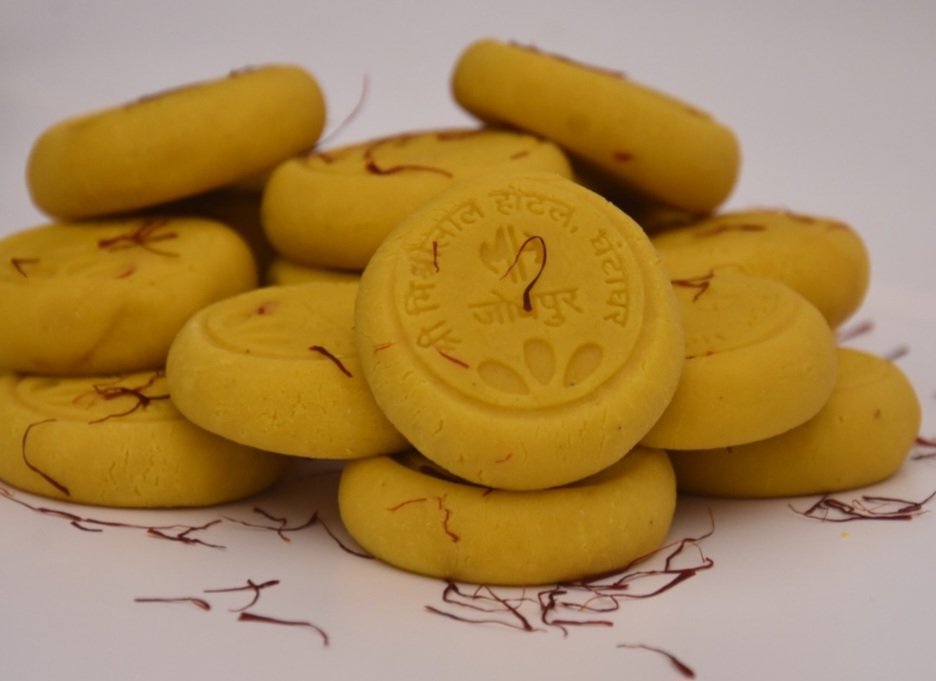
Jodhpur’s kesar peda is a rich, saffron-infused milk sweet made from mawa (khoya), sugar, and cardamom—cherished for its golden hue, melt-in-mouth texture, and festive appeal.
Here’s a deeper look into this beloved Rajasthani delicacy:
🌼 What Is Kesar Peda?
Kesar peda is a traditional Indian sweet made by reducing milk to form mawa (khoya), then blending it with sugar, cardamom, and saffron (kesar).
The saffron gives it a distinct yellow color and a fragrant aroma, making it visually and sensorially appealing.
Typically shaped into small, round discs and garnished with pistachios or almonds.
🏙️ Jodhpur’s Specialty
While peda originated in Mathura, Jodhpur has developed its own distinctive version, known for its purity of ingredients, generous use of saffron, and refined texture.
Local sweet shops in Jodhpur, especially heritage halwais, are known for crafting authentic kesar pedas that are popular during festivals like Diwali, Holi, and Raksha Bandhan.
🍯 Ingredients & Flavor Profile
Main ingredients: Mawa (khoya), sugar, saffron strands, cardamom powder, ghee.
Flavor: Rich, creamy, and aromatic with a subtle floral note from saffron.
Texture: Soft and slightly grainy, yet smooth enough to melt in the mouth.
🎉 Cultural Significance
Kesar peda is a symbol of celebration and hospitality in Marwari culture.
Often gifted during weddings, religious ceremonies, and festive occasions.
It’s also offered as prasād in temples and spiritual gatherings.
🛍️ Where to Find It
Renowned sweet shops like Janta Sweet Home, Chaturbhuj Sweets, and Mishrilal in Jodhpur are known for their premium kesar pedas.
Many shops now offer vacuum-packed versions for gifting and export.
3. Rabdi ghevar
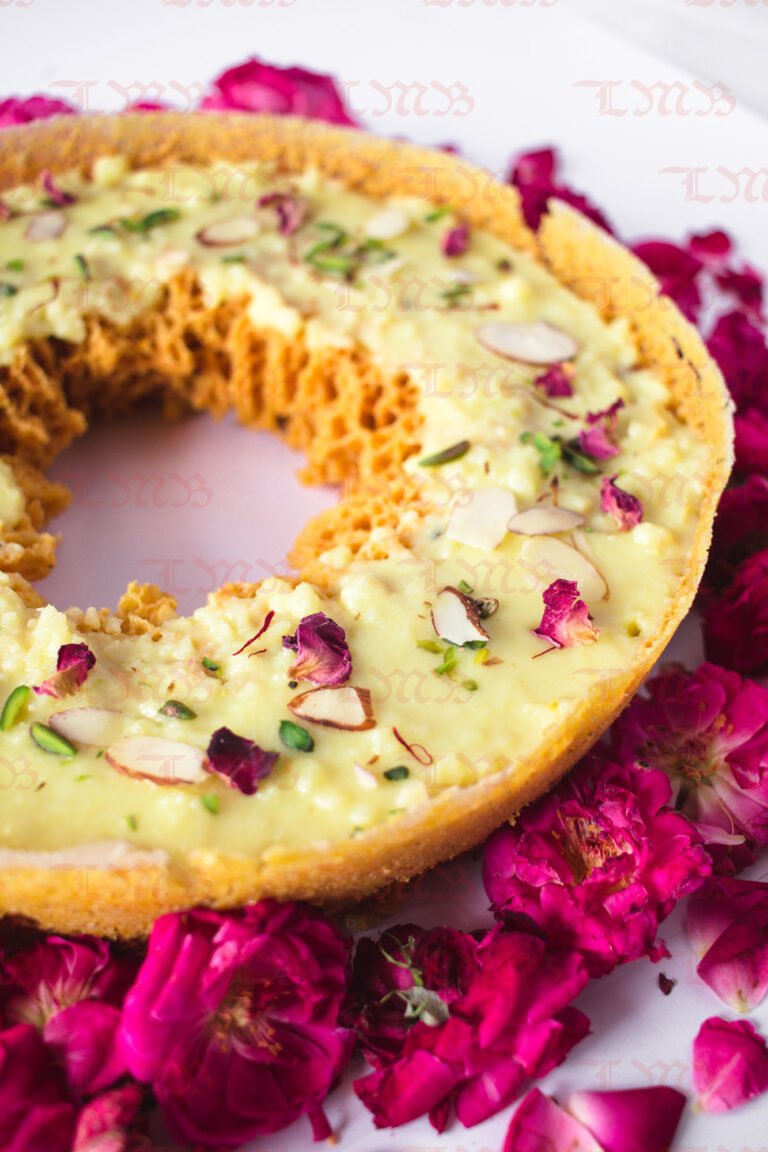
Jodhpur’s rabdi ghewar is a festive Rajasthani dessert featuring a crisp honeycomb-like base soaked in sugar syrup and lavishly topped with creamy rabdi, dry fruits, and saffron—especially popular during Teej and Raksha Bandhan.
Here’s a detailed look at this indulgent Marwari sweet:
🍯 What Is Rabdi Ghewar?
Ghewar is a disc-shaped, deep-fried sweet made from maida (refined flour) and desi ghee, known for its porous, honeycomb texture.
Rabdi ghewar is a luxurious variation where the ghewar is topped with rabdi—a thickened milk preparation flavored with cardamom and saffron.
It’s soaked in sugar syrup, then garnished with silver varq, almonds, pistachios, and sometimes rose petals.
🏙️ Jodhpur’s Signature Style
Jodhpur’s version is known for its richness, crisp texture, and generous rabdi topping.
Local sweet shops like Jodhpur Sweets craft it using traditional Marwari methods, often with desi ghee and handmade rabdi, giving it a distinct flavor and authenticity.
It’s a staple during Sawan, Teej, Gangaur, and Raksha Bandhan, and is also gifted during weddings and birth celebrations.
🎉 Cultural Significance
Ghewar is part of the Sinjara thali, gifted to newly married daughters before Teej.
It’s also one of the Chhappan Bhog (56 offerings) made to Lord Krishna in temples.
In Jodhpur, rabdi ghewar is not just a sweet—it’s a symbol of celebration and tradition.
🧁 Taste & Texture
Base: Crisp, airy, and golden-brown.
Topping: Creamy rabdi with hints of cardamom and saffron.
Finish: Sweet, aromatic, and slightly chewy from the syrup.
4.Mirchi vada
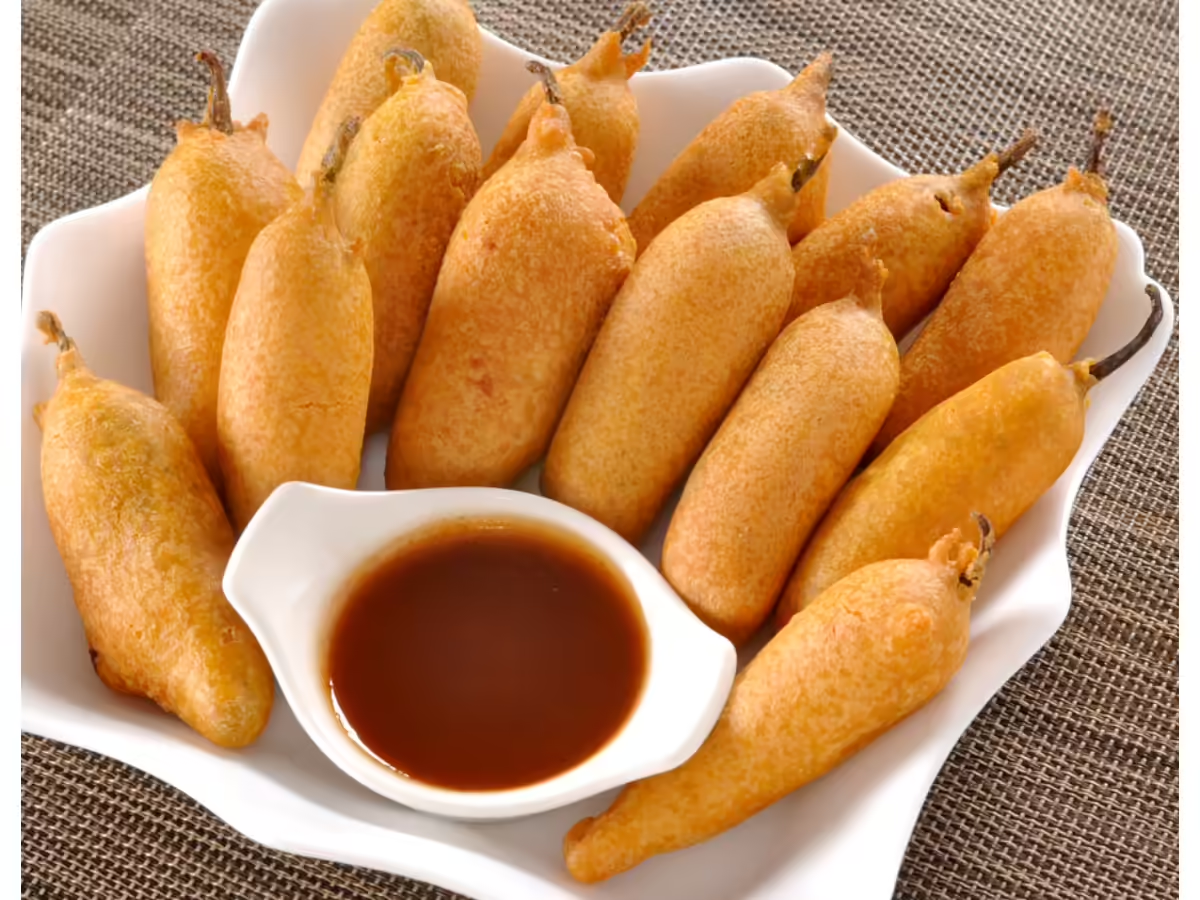
Mirchi Vada is a spicy, deep-fried snack from Rajasthan, especially famous in Jodhpur. It features large green chilies stuffed with a flavorful potato filling, dipped in gram flour batter, and fried until golden.
Here’s a detailed look at this beloved street food:
🌶️ Origin & Cultural Significance
Native to Jodhpur, Rajasthan, Mirchi Vada (also called Mirchi Bada) is a staple in local snack culture.
It’s especially popular during the monsoon season, when spicy, fried foods are most craved.
Often served with mint chutney, tamarind chutney, or tomato sauce, it’s a favorite accompaniment to tea.
🧂 Key Ingredients
Green chilies: Typically Bhavnagri or banana peppers, chosen for their mild heat and large size.
Stuffing: Mashed potatoes mixed with spices like cumin, coriander, fennel seeds, and amchur (dry mango powder).
Batter: Made from besan (gram flour), seasoned with salt and ajwain (carom seeds).
🍳 Preparation Steps
Slit the chilies and remove seeds to reduce heat.
Stuff with spiced mashed potatoes.
Dip in gram flour batter.
Deep-fry until crisp and golden.
🧆 Regional Variations
In South India, a similar dish is called Mirchi Bajji, but it often uses different chilies and may skip the potato stuffing.
Some versions include paneer or dry fruits in the stuffing for a richer taste.
📝 Fun Facts
Mirchi Vada is sometimes called a “chili cutlet” due to its shape and filling.
It’s a vegetarian fast food that’s both hearty and fiery, making it a favorite among spice lovers.
5.GULKAND PAAN
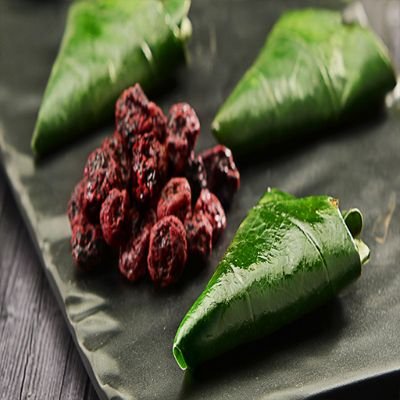
Gulkand Paan in Jodhpur is a beloved sweet treat, blending the floral richness of rose petal preserve with the refreshing bite of betel leaf. It’s a local favorite, especially after meals or during festive gatherings. You can view authentic Gulkand Paan images from Jodhpur in the card above.
🌹 What Makes Jodhpur’s Gulkand Paan Special?
Local Ingredients: Many paan shops in Jodhpur use locally sourced gulkand, often made from desi rose petals and mishri (rock sugar), giving it a distinct aroma and flavor.
Traditional Craftsmanship: Shops like Bhama Shah ka Paan in Sardarpura are known for their handcrafted paan varieties, including gulkand paan.
Cultural Relevance: Gulkand paan is not just a mouth freshener—it’s a symbol of hospitality in Jodhpur. It’s commonly offered to guests at weddings, festivals, and family gatherings.
🍬 Typical Ingredients in Jodhpur-Style Gulkand Paan
Betel Leaf (Paan Patta) – Fresh and tender, often from local farms
Gulkand – Made from rose petals, sugar, and sometimes honey
Fennel Seeds (Saunf) – For digestive benefits and crunch
Tutti Frutti, Coconut Flakes, Cardamom – Adds sweetness and texture
Silver Foil (Varq) – Occasionally used for festive presentation
🏪 Where to Find It in Jodhpur
Keshariyaji Paan Bhandar (Bhama Shah) – Famous for its flavorful paan options
Arshika Gulkand Paan – Available via IndiaMART, showcasing packaged versions for retail
Local Sweets Shops – Some offer fusion sweets like Gulkand Khoya Peda and Gulkand Marvel, combining paan flavors with mithai
🌿 Ayurvedic Benefits of Gulkand
Acts as a natural coolant, ideal for Jodhpur’s hot climate
Aids digestion and reduces acidity
May help with fatigue and skin health
6.Makhaniya lassi
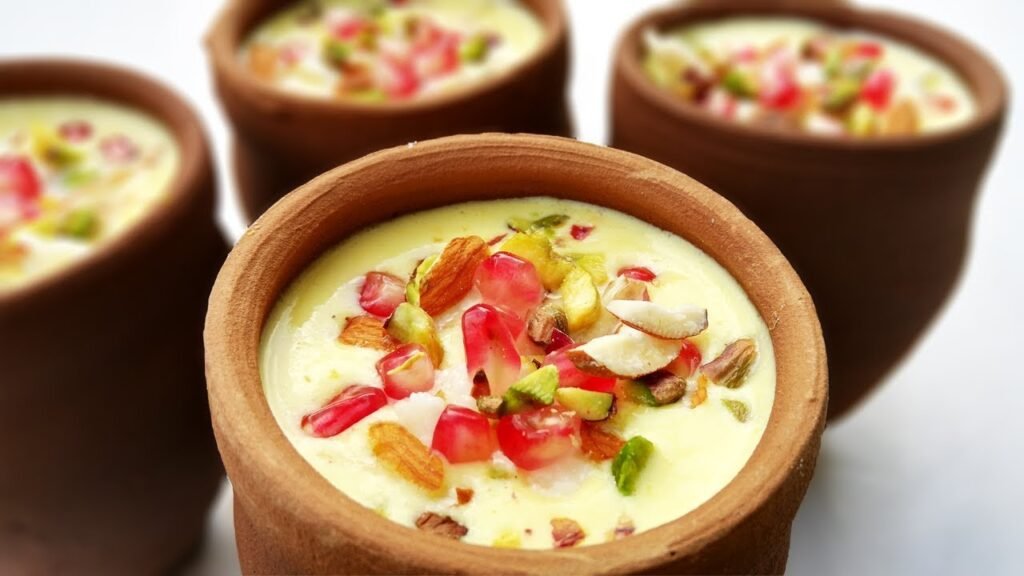
Makhaniya Lassi is Jodhpur’s iconic summer drink—rich, creamy, and topped with a swirl of homemade butter. You can see authentic images of this legendary lassi in the card above.
🧉 What Is Makhaniya Lassi?
Makhaniya Lassi is a sweet, yogurt-based beverage that originated in Jodhpur, Rajasthan. It’s not just a drink—it’s a dessert in a glass. The name “Makhaniya” comes from makhan (butter), which floats generously on top, giving it a luxurious texture and taste.
🏛️ Cultural Significance in Jodhpur
Shri Mishrilal Hotel, located near Ghanta Ghar (Clock Tower), is the most famous spot for Makhaniya Lassi. It has been serving this treat since 1927, making it a must-visit for tourists and locals alike.
The lassi is often enjoyed after spicy Rajasthani meals or as a standalone refreshment during hot afternoons.
🥣 Ingredients
Thick curd (yogurt) – the base
Chilled milk – for smoothness
Crushed sugar – to sweeten
Cardamom powder – adds aroma
Rose water & saffron strands – for a royal touch
Homemade unsalted butter (makhan) – the signature topping
Chopped dry fruits – almonds, pistachios, cashews for crunch
🧊 Taste & Texture
Creamy and cooling, with a subtle floral and nutty flavor
The butter layer adds richness, while the saffron and rose water elevate its fragrance
Served in tall glasses, often with a spoon to scoop the makhan
📍 Where to Try in Jodhpur
Shri Mishrilal Hotel – Clock Tower, Sardar Market
Sona Lassi Bhandar – Olympic Road, known for its buttery topping
Moolji Sweets – Offers a modern twist with chilled presentation
7.Gulab jamun
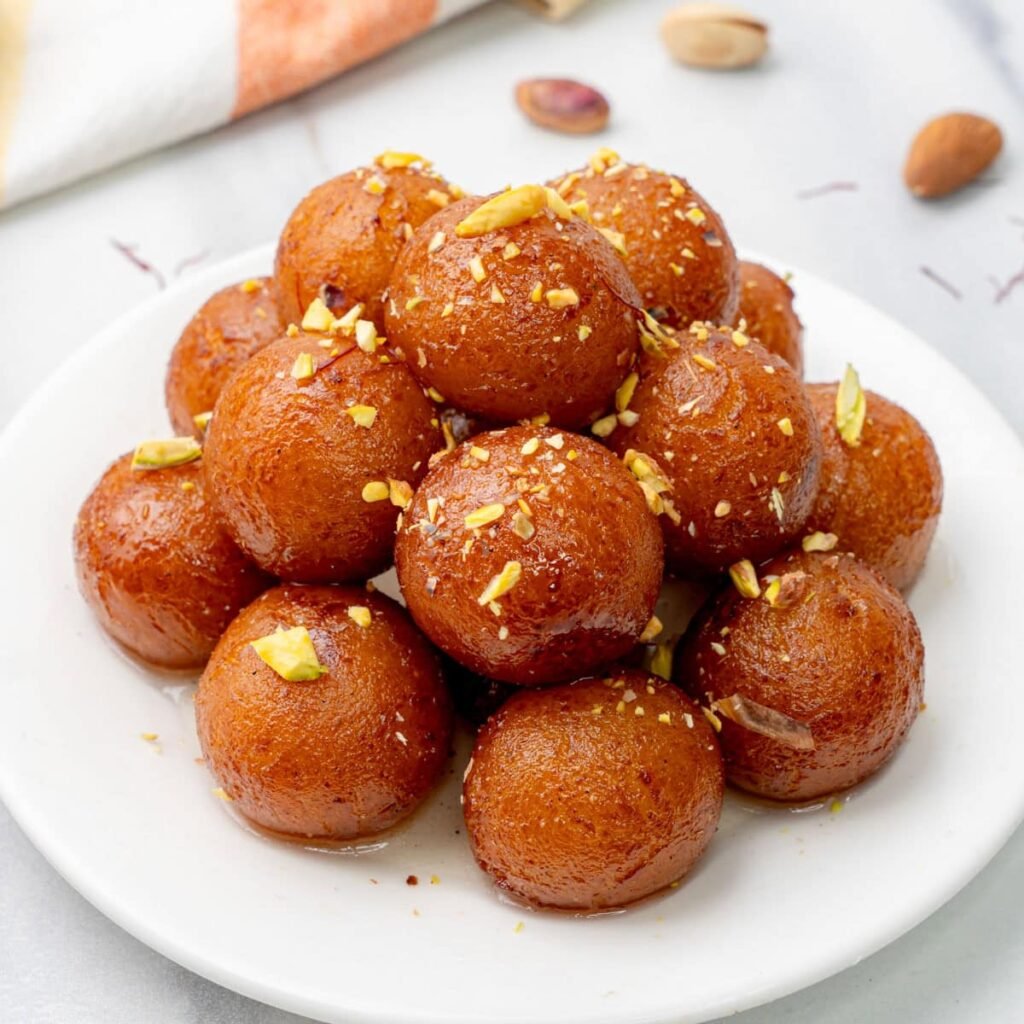
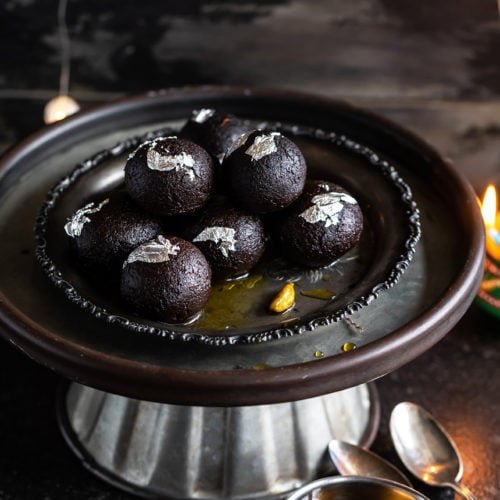
Jodhpur’s Gulab Jamun is legendary—especially the melt-in-mouth version from Chaturbhuj Ramesh Chandra, a sweet shop with over a century of heritage. You can view authentic images of these iconic treats in the card above.
🍮 What Makes Jodhpur’s Gulab Jamun Unique?
Chaturbhuj Gulab Jamun, located in Pungalpura, is considered the gold standard. Their jamuns are known for being extra soft, rich in mawa, and perfectly balanced in sweetness.
The shop has been crafting these sweets for over 120 years, earning admiration from locals and tourists alike.
Unlike regular gulab jamuns, Jodhpur’s version often skips excessive syrup, focusing on texture and flavor.
🏆 Famous Shops in Jodhpur
| Shop Name | Specialty |
|---|---|
| Chaturbhuj Ramesh Chandra | Iconic gulab jamuns with minimal syrup, rich mawa |
| Janta Sweet Home | Popular for a variety of sweets including gulab jamun |
| Pokar Sweets | Known for fresh, traditional Rajasthani sweets |
🧈 Ingredients & Preparation
Khoya (mawa) – the base, slow-cooked for depth
Maida (refined flour) – for binding
Ghee or oil – used for deep frying
Sugar syrup – lightly flavored with cardamom and rose water
The jamuns are fried until golden brown and then soaked briefly in warm syrup to retain their softness without becoming soggy.
🍽️ Cultural Relevance
Served during festivals, weddings, and temple offerings
Often paired with rabri or ice cream in Jodhpur’s sweet shops
Locals consider it a must-have treat for guests and special occasions